From golden hour to blue hour, Hunza & Nagar rewards photographers. Here are the places and times to shoot, and how to do it respectfully.
Where to shoot
- Karimabad: best in the early morning or late afternoon. Hunza’s old capital, stacked on a terrace below Ultar Peak, with Baltit Fort above the bazaar and orchards falling away to the river.
- Baltit Fort: best in the early morning or late afternoon. The 700-year-old palace-fort of the Mirs of Hunza, restored by the Aga Khan Trust for Culture and now the valley’s finest museum.
- Altit Fort and Royal Garden: best in the early morning or late afternoon. Older than Baltit and perched on a sheer cliff above the Hunza River, Altit Fort and its terraced Royal Garden are the quiet highlight of Central Hunza.
- Eagle’s Nest (Duikar): best in the early morning or late afternoon. The rocky viewpoint above Duikar village, where sunrise lights up Rakaposhi, Ladyfinger, Ultar and a dozen other peaks at once.
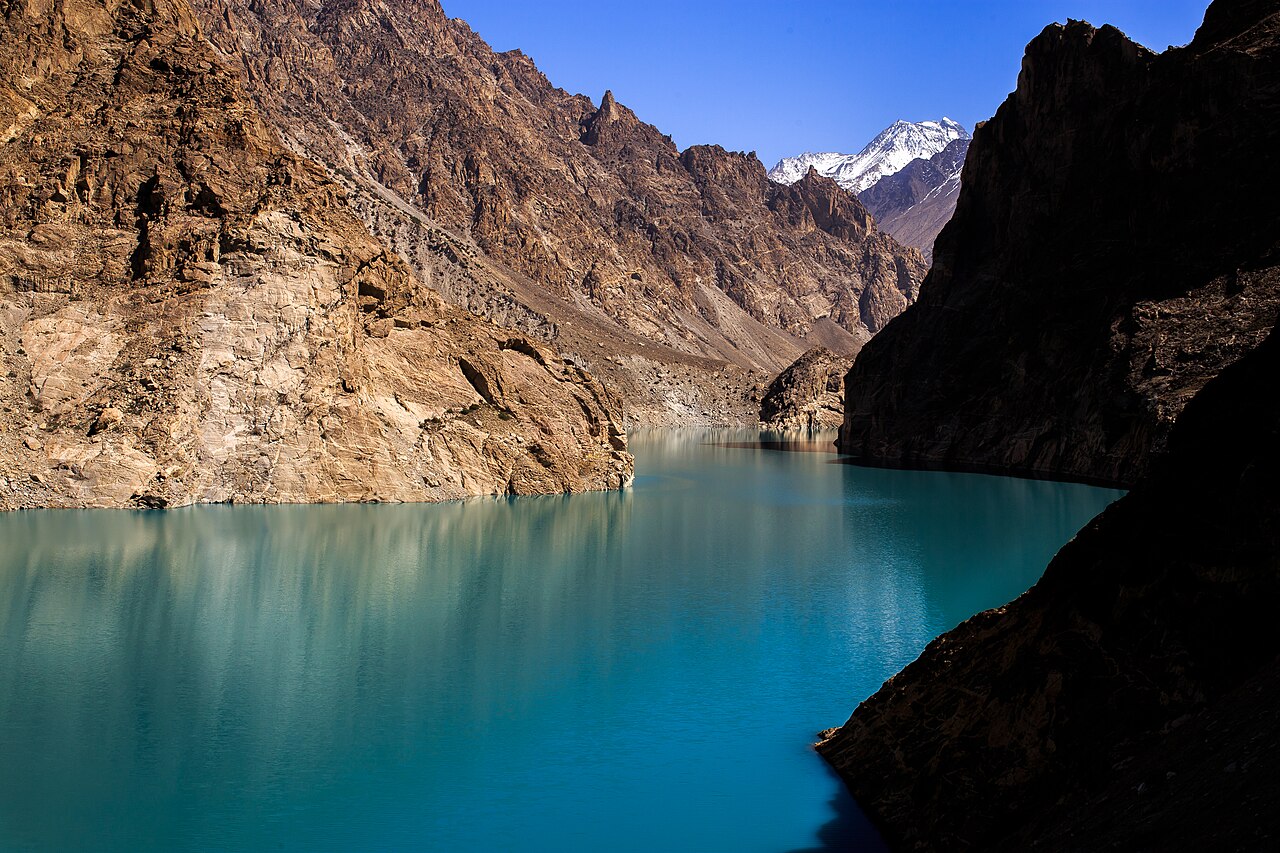
- Attabad Lake: best in the early morning, when the air is clearest. The turquoise lake formed when a landslide dammed the Hunza River in January 2010, now Gojal’s most visited sight.
- Passu Cones (Tupopdan): best in the early morning, when the air is clearest. The saw-toothed spires of Tupopdan, the ‘Passu Cathedral’, rising above apricot orchards and the Hunza River.
- Hussaini Suspension Bridge: best in the early morning, when the air is clearest. The famous plank-and-cable footbridge over the Hunza River, linking Hussaini village with the hamlet of Zarabad.
- Borith Lake: best in the early morning, when the air is clearest. A small brackish lake above Hussaini, loved by migratory birds in spring and autumn, with the Passu Cones behind it.
- Gulmit: best in the early morning or late afternoon. The old summer capital of the Mirs in Gojal: a spread-out Wakhi village of orchards, a cultural museum and glacier walks.
- Khunjerab Pass: best in the early morning, when the air is clearest. The Pakistan–China border at 4,693 m: the highest paved international crossing in the world and the top of the Karakoram Highway.
- Rakaposhi View Point (Ghulmet): best in the early morning, when the air is clearest. The roadside stop where Rakaposhi rises almost 6,000 m straight above you, with a glacier stream and a row of tea stalls.
- Hopper Glacier: best in the early morning, when the air is clearest. A broad, debris-streaked glacier spilling out of the Nagar valley, easy to reach from Hunza and best seen from Hopper’s hilltop viewpoint.
- Shimshal Valley: best in the early morning, when the air is clearest. Gojal’s most remote valley, home to a famous community of mountaineers and a gateway to high pastures and the Shimshal Pass.
Etiquette
- Ask before photographing people, especially women and children.
- Never photograph military, police or security sites.
- Drones need official permission.
- At mosques and shrines, avoid photographing people at prayer.