Two neighbouring regions of Sindh in one trip: the old capital of lower Sindh: the Makli necropolis, the tiled Shah Jahan Mosque, Keenjhar Lake and the ruins of Banbhore., then Hyderabad, the vast walls of Ranikot, the shrine of Lal Shahbaz Qalandar at Sehwan and the poet-saint Bhittai at Bhit Shah..
Thatta & Makli
Day 1
- Makli necropolis: One of the largest necropolises in the world: a ridge of tombs and mausoleums from the 14th to 18th centuries, a UNESCO World Heritage Site.
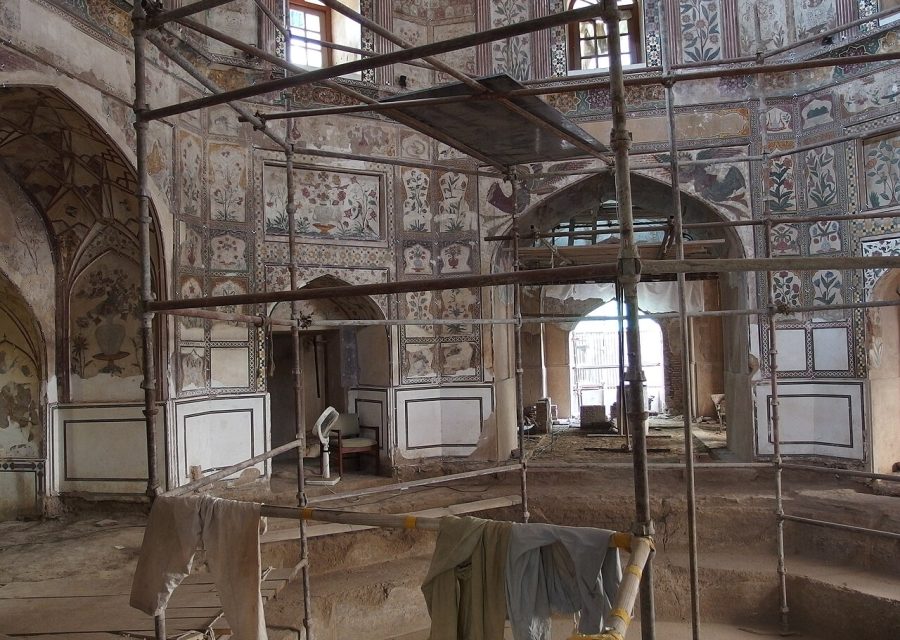
- Shah Jahan Mosque, Thatta: A 17th-century Mughal mosque famous for its brick domes and the finest tilework in Pakistan.
Day 2
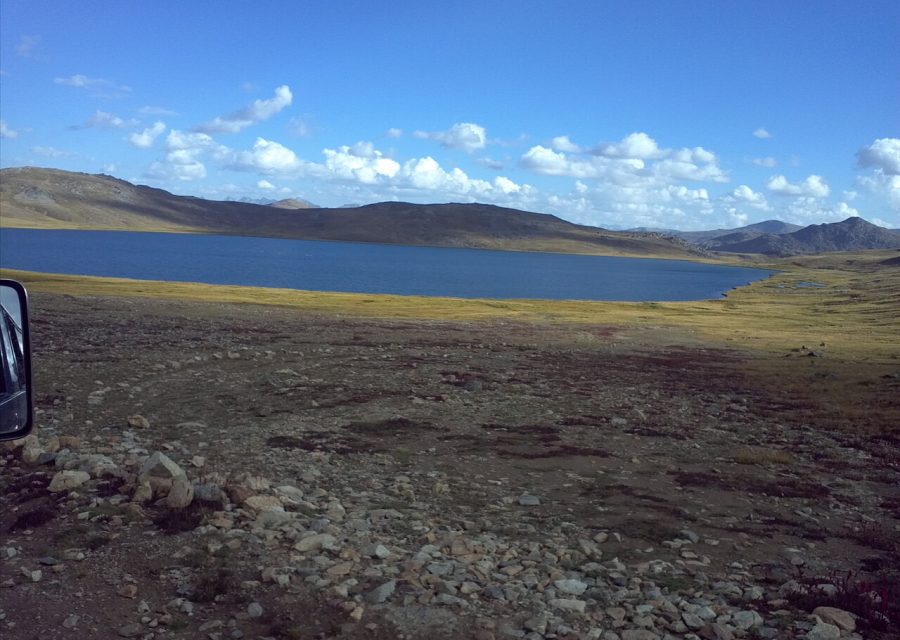
- Keenjhar Lake: One of Pakistan’s largest freshwater lakes, a Ramsar wetland with boat rides, migratory birds and the legend of Noori and Jam Tamachi.
- Banbhore: The ruins of an ancient port city on the Gharo Creek, with the remains of one of the earliest mosques in South Asia.
Sehwan & central Sindh
Day 3
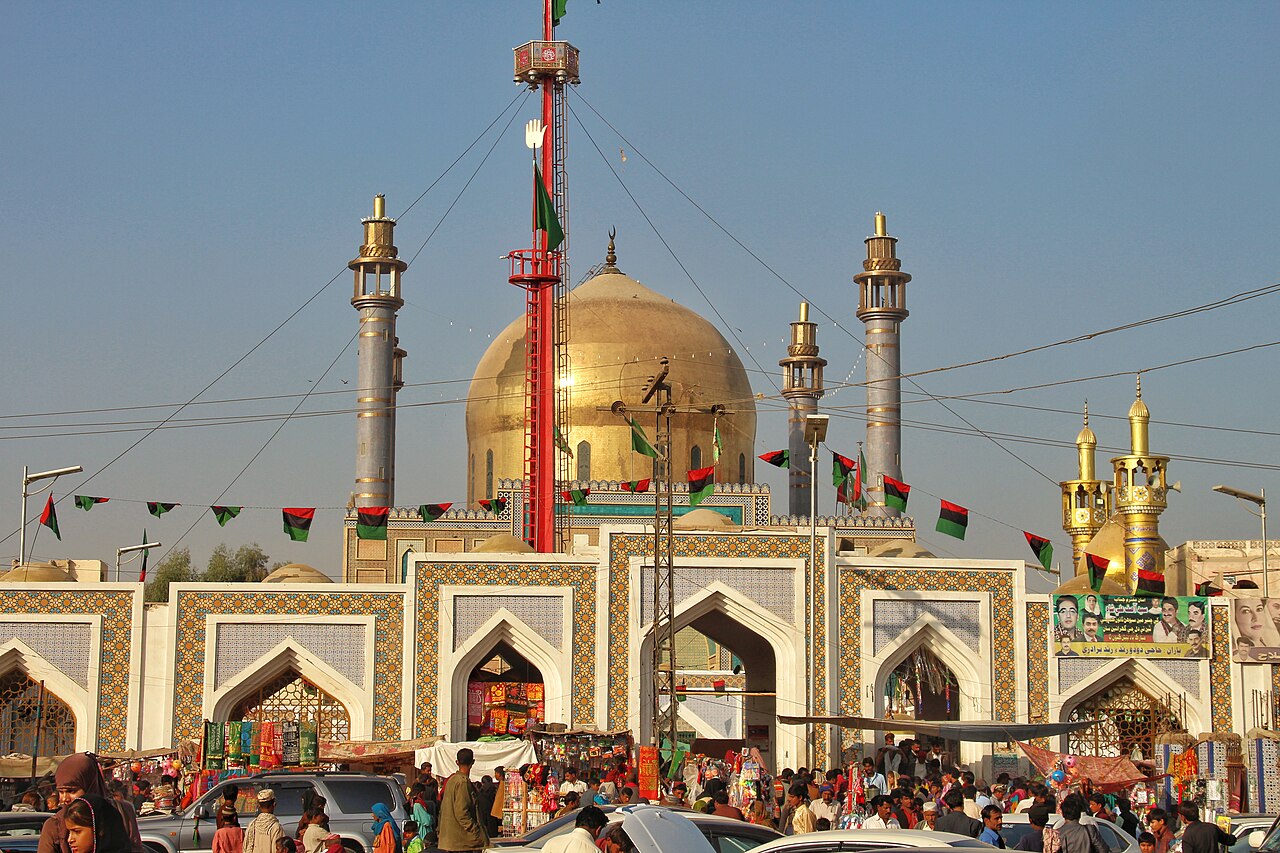
- Sehwan Sharif: The town of the 13th-century Sufi saint Lal Shahbaz Qalandar, whose shrine fills every evening with drums and the whirling dhamaal dance.
Day 4
- Ranikot Fort: The ‘Great Wall of Sindh’: a vast fort whose walls snake for over 30 km across the barren Kirthar hills.
- Bhit Shah: The shrine of Shah Abdul Latif Bhittai, the beloved 18th-century poet of Sindh, where his verses are sung every night.
Allow a travel day between the two regions if the drive is long, and keep a buffer day for weather and roads.