Multan has been inhabited for thousands of years and was a centre of Sufism from the 12th century. The old fort mound (Qasim Bagh) holds the shrines of Bahauddin Zakariya and Shah Rukn-e-Alam, and the city’s bazaars are known for blue pottery, camel-skin lamps and the sweet sohan halwa.
What to do
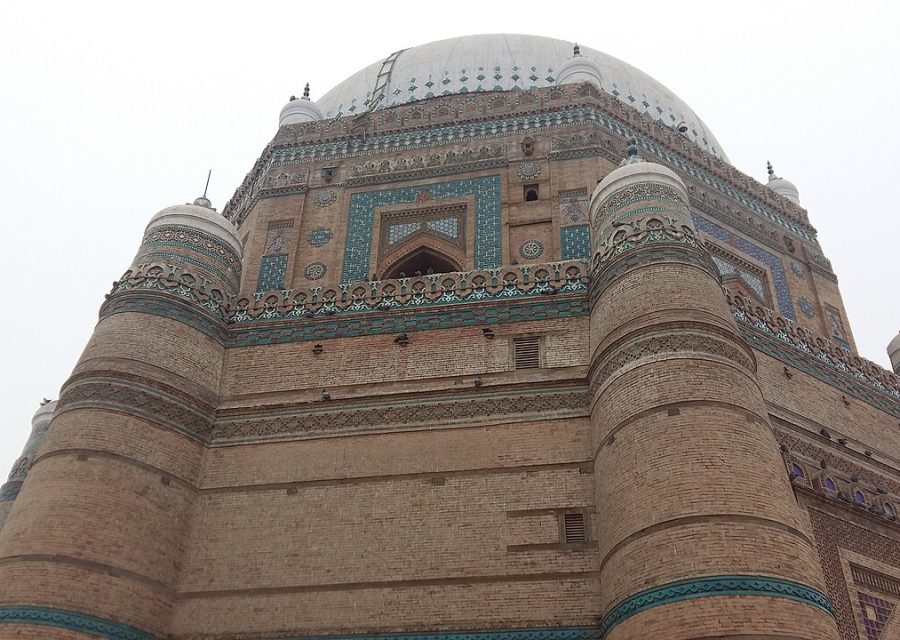
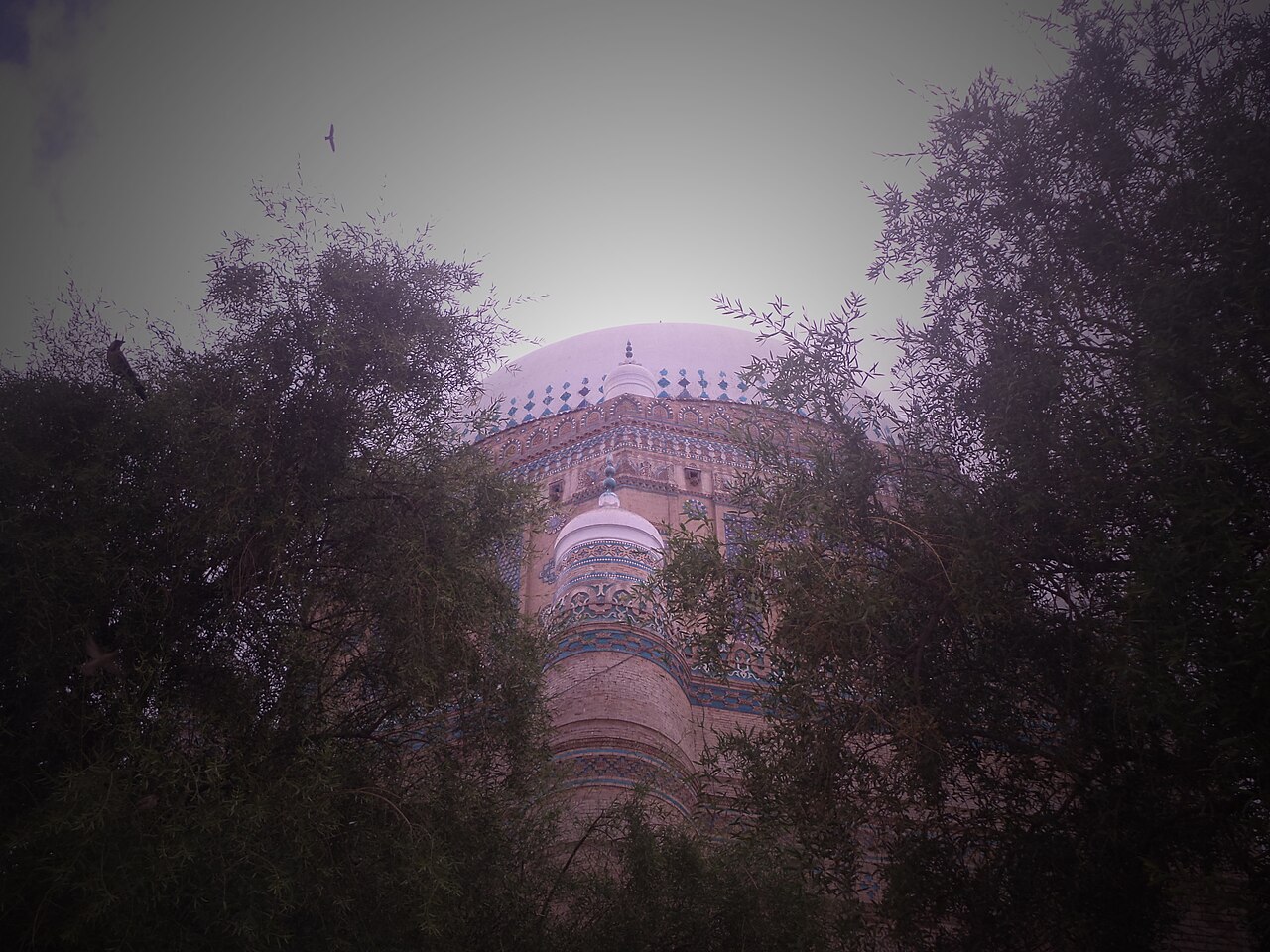
- Visit the shrine of Shah Rukn-e-Alam. The octagonal brick tomb that dominates the skyline.
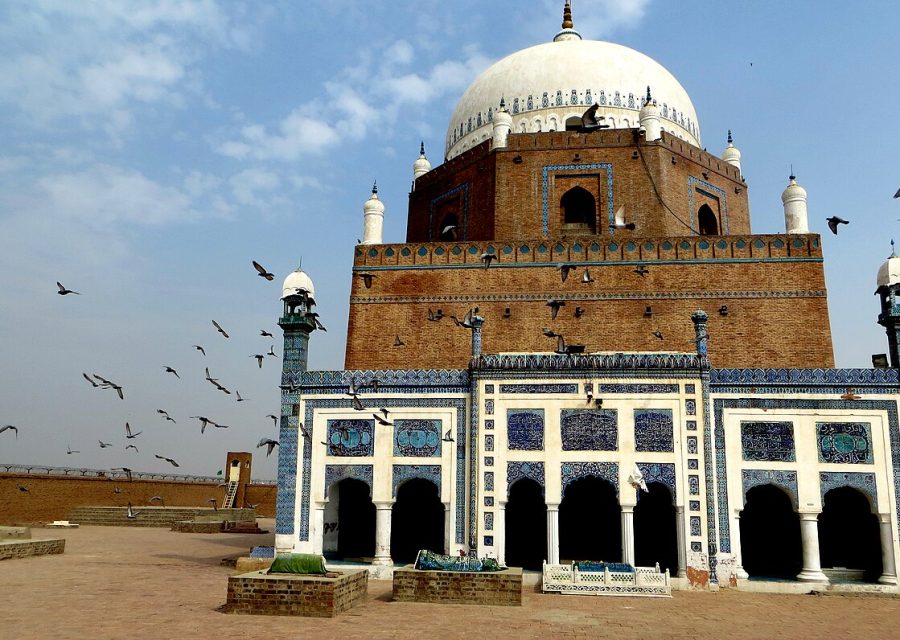
- See Bahauddin Zakariya’s tomb. On the same fort mound.
- Shop for blue pottery. Painted ceramics in blue and white.
- Buy sohan halwa. A dense, nutty sweet sold all over the city.
Getting there
Multan has an airport and is on the main railway and the M-4/M-5 motorways.
When to go
Best time to visit: November–February.
Good to know
Visit in winter: Multan is one of the hottest cities in Pakistan in May and June.
Combine it with
- Tomb of Shah Rukn-e-Alam: A great octagonal brick mausoleum of the 14th century, covered in blue and white glazed tiles, rising over Multan.
- Shrine of Bahauddin Zakariya: The 13th-century shrine of one of the founders of the Suhrawardi Sufi order in South Asia.
Where to stay near Multan
Further reading
- How to get to Multan
- Best time to visit Multan
- One day in Multan
- A weekend in Multan
- Things to do in Multan
- Where to stay in Multan